Author
The Author of this Primary source is St. Jerome.
Place
This Primary source was written in the year 412bc.
Prior knowledge
I know that during the time of this writing Rome was under attack by many barbarians tribes. This writing shows and describes one of those attacks
Audience
St. Jerome probably wrote this piece for the people not affected by the attacks. he might have wanted others to know what was going on around them. the fact the St. Jerome wrote it you could be getting a very one sided answer.
Reason
To show the world what the people of Rome were put though by the barbarians.
The Main Idea
The main idea of this writing was to showcase what the extent of the things the barbarians were doing to Rome. This shows in detail what horror they were put though
Significant
This Source is important to show what people went though when under attack.
Monday, November 25, 2013

Tuesday, November 19, 2013
Domitian
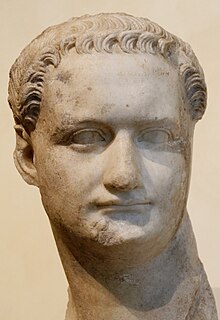 Domititan
Background:
- Born on October 24, 51ad
- Ruled for a short 15 year span
- Changed his name a total of five times
- His wifes name was Domitia Longina they had 1 son together.
Achievements:
- completed the conquest of Agri Decumates which his father begun. near modern day Germany.
- a leader in the Dacian wars, ended in a peace treat between rome and Dacian.
- thought to have poisoned Agricola
- very very conceded, made everything in the name of him only.
- killed people for trivial reasons. simple mistakes were reasons to hurt or kill someone.
- had affairs with many married wives, even his wife left her then husband for him.
- the last of the three Flavian Emperors.
Cause of Death:
- Assassinated in 96ad by court officials at 44 years of age.
HIstorical Significance:
- Know as a cruel, ignorant person who thought only of him self.
Monday, November 18, 2013
Julius Caeser
Julius Caesers historical significance is the fact that he made Emperors. The way that he and Pompey constanly fought drove the city of rome to change over to a emperor style of leadership. The first emperor of Rome was Caesars nephew Octavian.
Tuesday, November 12, 2013
Spartacus
- WHO was Spartacus?
- WHAT did he do?
- WHY did he do it?
- WHEN did it happen?
- WHERE did it happen?
- HOW did it end?
- WAS HE A HERO OR A VILLAIN?
1. Spartacus was a slave. he was also a gladiator, from Thrace. born around 100bc
2. He started a revolt from the gladiator around 73bc-71bc
3. So that he and his gladiator friend don't have to fight each other to the death. they wanted to get out or leave Italy.
4. The revolt happened it 73bc and lasted to 71bc
5. The revolt happen right out side the place all the gladiators were staying, in Capua
6. Spartacus was defeated by Crassus. Crassus then took all the slaves and crucified every on of them in the main street.
7. I think he is a hero because he helped all the slaves be free and not have to fight each other to the
death.
death.

Thursday, November 7, 2013
Roman Culture
Food-
the wealthy people had meat available to them (poultry, pork, beef, fish, lamb, foul).
the wealthier you were the more exotic food you had available to you
poorer people meals consisted mainly of grains made into bread or cooked into porridge.
taste didnt matter as much as how exotic the meal was.
dinner consisted of three courses.
Clothing-
toga were the national garment of rome, togas were like the suits of today.
Warfare-
Gladius, a short stabbing sword
Scorpion, worked like a fixed crossbow that launched large javelins.
siege tower, a large mobile tower that could be rolled up to enemies towers.
Gladiator-
largest contest included 5000 fighters
man vs. man or man vs. animal
Slavery-
slaves were treated well
rome was dependent on the slaves for living.
Bread & Circus-
(welfare and entertainment)
Rome provided its citizens with food and entertainment.
citizens consumed 6million sacks of grain per year, for free
Triumphs-
a celebration for roman leaders
started with romulus
Religion-
polythestic
heavily influenced by the greeks
Art & Architecture-
roman art consisted of painting sculpture pottery and achritechture
the wealthy people had meat available to them (poultry, pork, beef, fish, lamb, foul).
the wealthier you were the more exotic food you had available to you
poorer people meals consisted mainly of grains made into bread or cooked into porridge.
taste didnt matter as much as how exotic the meal was.
dinner consisted of three courses.
Clothing-
toga were the national garment of rome, togas were like the suits of today.
Warfare-
Gladius, a short stabbing sword
Scorpion, worked like a fixed crossbow that launched large javelins.
siege tower, a large mobile tower that could be rolled up to enemies towers.
Gladiator-
largest contest included 5000 fighters
man vs. man or man vs. animal
Slavery-
slaves were treated well
rome was dependent on the slaves for living.
Bread & Circus-
(welfare and entertainment)
Rome provided its citizens with food and entertainment.
citizens consumed 6million sacks of grain per year, for free
Triumphs-
a celebration for roman leaders
started with romulus
Religion-
polythestic
heavily influenced by the greeks
Art & Architecture-
roman art consisted of painting sculpture pottery and achritechture
Tuesday, November 5, 2013
Unification a Italy
- Who was Rome's enemy? (Describe the group of people and important leaders) Rome had a enemy for every where they fight with then against them. They allied with the Latins, and the Samnites but then eventually conquered them in the end.
- Why did it start? Rome wanted to rule all of Italy and its allies want Romes help to conquer other city states. Romes allies kept bring rome in to different wars. Even though they were in wars Rome still got for fighting the wars.
- Where and when did the wars take place? In 343bc the 1st Samnite war broke out to start the 143 year battle to rule all of Rome. The second war during this battle was the Latin war in 340bc. the Second Samnite war was in 326bc. the third Samnite war was in 298bc in central Italy. the final war was the Pyrrhic war 280bc in the southern part of Italy.
- How was geography a factor? The geography
- What key events took place? (2-3)
- How was technology a factor?
- What tactics or strategies were used?
- How did the end result impact both sides?
Monday, November 4, 2013
Subscribe to:
Comments (Atom)